Half Baked Idea #7 - Continuous Improvement isn't just the icing on your cake
Stop skipping your retros

TL;DR: Stop skipping your retros.

A bit of background
A couple of months ago, I shared a post about a bit of a cake disaster that occurred under time constraints. You can read it here:

A few days later, I had another donation to fulfil and had the same issue again (grainy icing). As someone prone to catastrophising, I obviously determined I was a total failure who would never bake anything successfully again.
Once I’d calmed down a bit, I scraped the bad icing off the first cake layer, downed tools, and took some time to reflect on my cake making process.
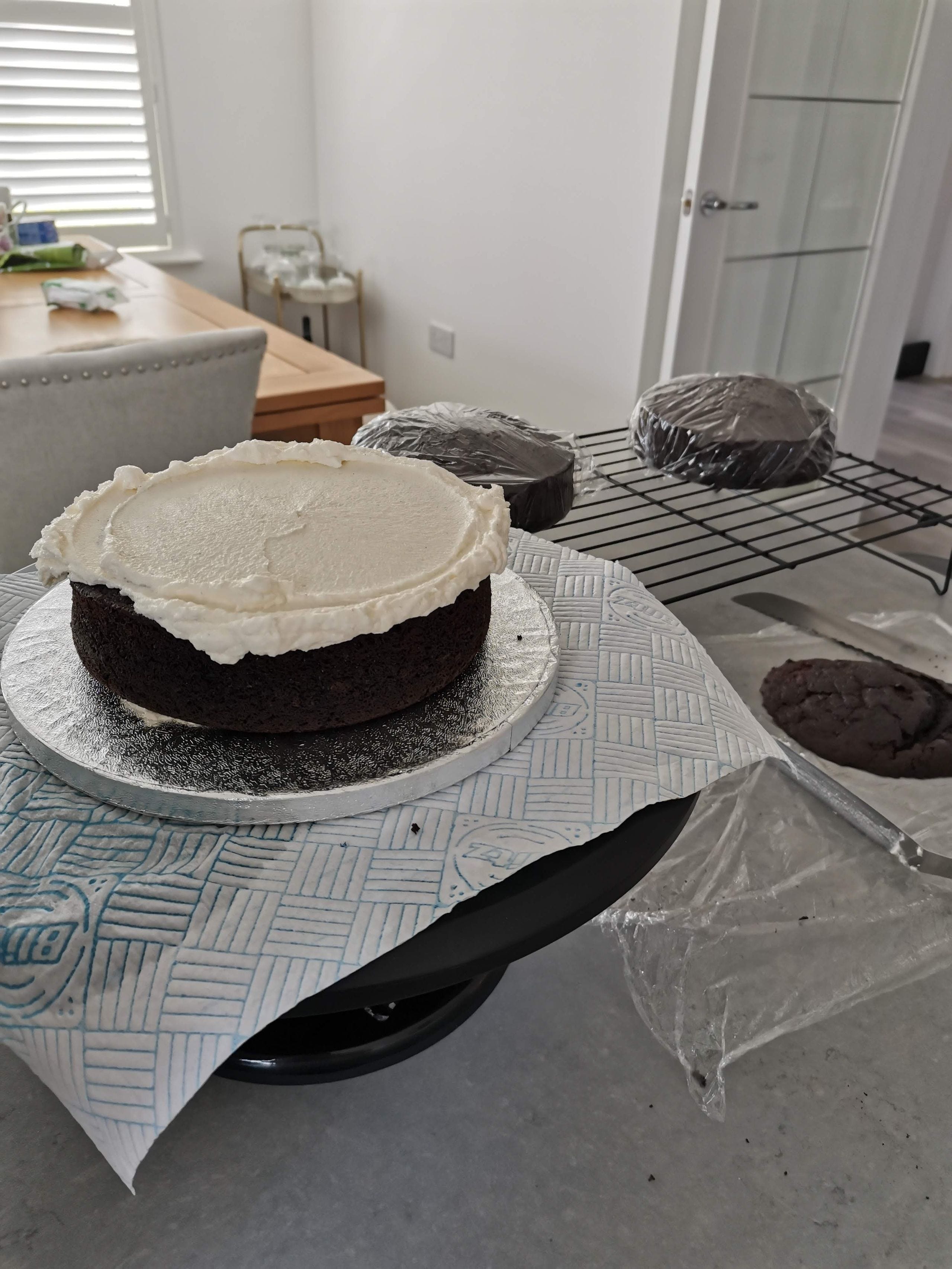
My checklist
I had used my preferred tried-and-tested chocolate sponge recipe
I also used my usual, previously failsafe buttercream method
I hadn't added any cocoa or oil-based colours, which I thought might have been the issue with the previous batch
I considered environmental factors like ingredient and kitchen temperature, because weather conditions in the UK can do funny things to ingredients like flour and sugar
Finally, I reflected on my previous kitchen rescues to draw from those experiences
Then, I had a Goldilocks moment:
What if my buttercream wasn't too cold, but too hot?
I put the icing in the fridge for a while before re-whipping it and sure enough, it was just right.
Because I’d had time to reflect on what was going wrong, I could identify and test a solution, and apply those learnings immediately to deliver this cake as expected.
A real world, non-software example of continuous improvement and retrospecting in action.
Continuous Improvement
Continuous improvement is about making incremental changes that lead to better outcomes over time.
If I were to ask a bunch of teams about their thoughts on continuous improvement, I suspect there’d be general consensus that it’s an important part of our ways of working.
They’d say encouraging things like;
Regularly refining processes helps us work more effectively
Ongoing feedback and testing helps catch issues early, leading to better quality products
We can quickly respond to changes and new requirements
It helps eliminate waste
But some of those same teams would also look me in the eye and tell me they’ve skipped their retrospectives, a key continuous improvement tool.
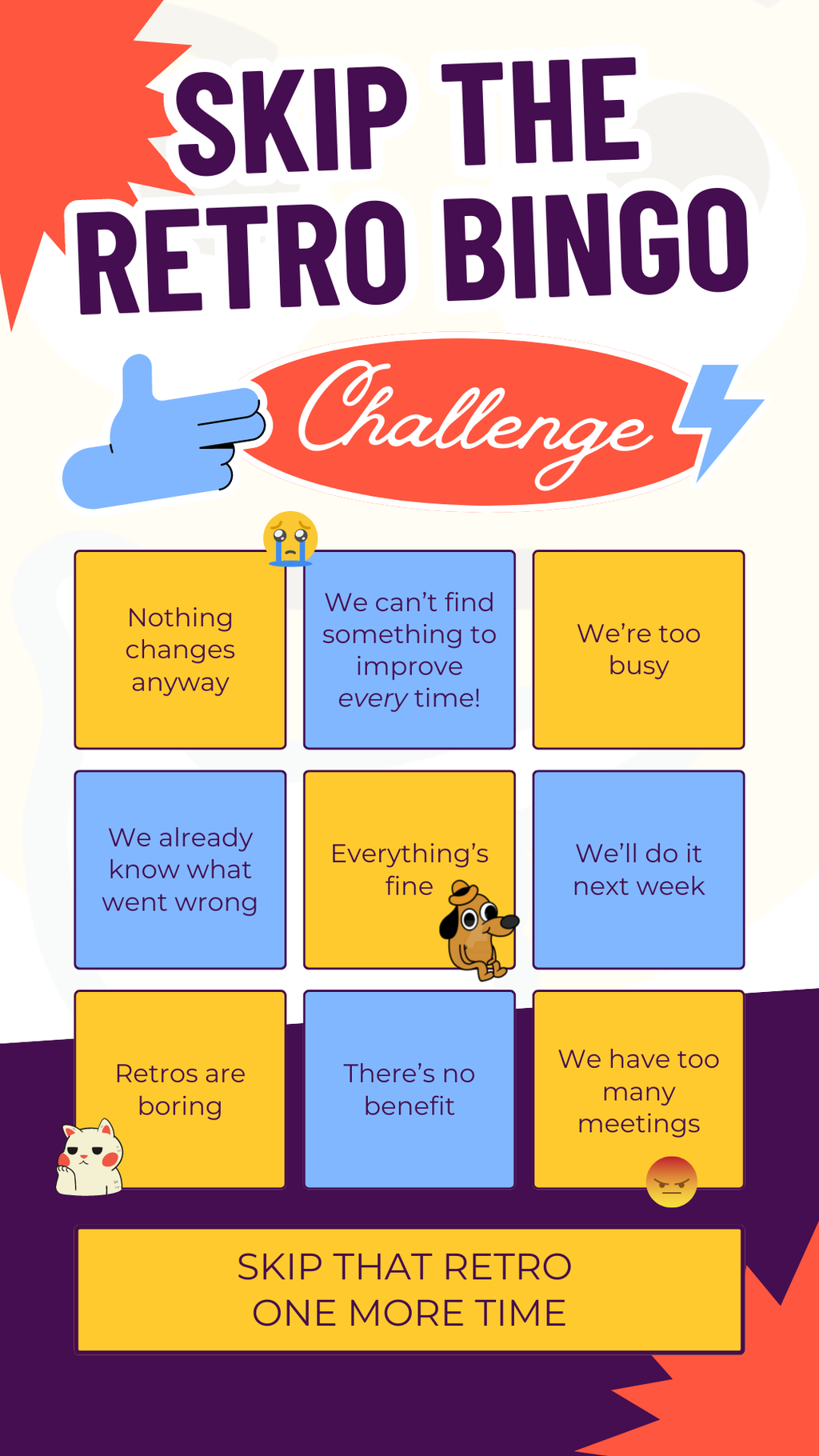
The reasons will spill out in what is a very entertaining round of Agile BS Bingo, except there’s never a prize at the end.
Agilists would argue that the retrospective is the most important meeting in your team’s calendar and that skipping them can be detrimental in the longer term.
Your retrospectives should be serving as a regular forum to:
Identify areas for improvement
Encourage open communication
Enhance team trust and cohesion
Address issues and celebrate successes
Drive ongoing enhancements in processes, practices and tools
If your team can tick off any (or all!) of the statements on the bingo card, then congratulations! You may have stumbled across some antipatterns or symptoms of dysfunctional ways of working. But it’s never too late to course correct.
If discussions are getting stale, switch up your formats
Invite an external facilitator every once in a while, for variety of facilitation style
Make sure the bulk of discussion is on actionable items the squad can control
Keep track of agreed action points and follow up on them
Together, we can ensure nobody wins at bingo ever again.